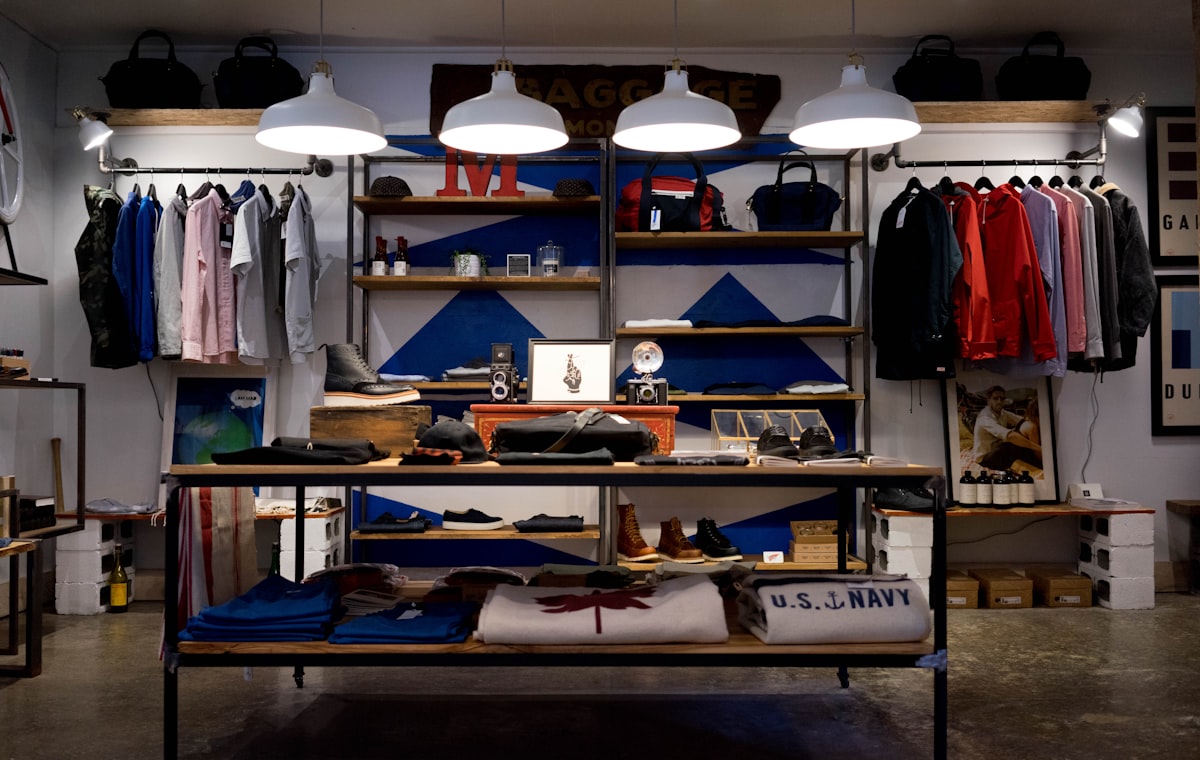
"Custom retail software" covers a lot of ground, and most of it you should not build. Shopify, Square, Lightspeed and the larger suites behind them handle selling, payments and a basic catalogue better and cheaper than anything bespoke. The retailers who benefit from custom development are the ones with a specific operating model those tools flatten.
This guide walks through the retail systems worth building, the ones worth buying, and realistic budgets for each.
What "retail software" actually includes
- Point of sale. Checkout, payments, returns, staff permissions.
- Inventory. Stock by location, transfers, purchasing, counts.
- Order management. Orders from every channel, routing, fulfilment, returns.
- Product information. One clean catalogue feeding stores, web and marketplaces.
- Customers and loyalty. Profiles, points, offers, clienteling.
- Pricing and promotions. Price lists, markdowns, bundles.
- Reporting. Margin by product, store and channel.
Nobody needs all seven built from scratch. The question is which one is costing you money today.
Where off-the-shelf wins
- A standard store or small chain selling finished goods at fixed prices.
- Card payments and hardware. Use certified terminals and a payment provider.
- A single online store with ordinary shipping rules.
- Basic loyalty: points per dollar, a birthday offer.
If that describes you, the app marketplace will get you further than a development project.
Where custom retail software wins
1. Inventory that matches your model
Consignment and resale, serialised or lot-tracked goods, made-to-order, kits and bundles, stock shared between stores, web and marketplaces. These are where generic inventory breaks first, and where errors turn straight into lost margin.
2. Order management across channels
Once orders arrive from stores, your site, Amazon and wholesale, something has to decide where each one ships from and keep stock honest everywhere. An order management layer that sits between your channels is one of the most common retail builds.
3. Loyalty and clienteling you own
Tiered programmes, cross-brand points, staff-facing customer profiles with purchase history and preferences. The data is your asset, and renting it per member gets expensive as you grow.
4. Pricing and margin tools
Rules-based pricing across thousands of SKUs, markdown planning, and margin reporting that includes landed cost, fees and returns. Spreadsheets do this until the catalogue outgrows them.
5. A POS for a workflow nobody else has
Weighed goods with deposits, trade accounts with job references, age-restricted sales with logging, repairs and rentals alongside sales. We cover the signs in detail in when retail outgrows Square and Shopify.
What custom retail software costs
| Build | What it does | Typical range |
|---|---|---|
| Inventory management | Multi-location stock, purchasing, transfers | $30k-$80k |
| Order management system | Multi-channel orders, routing, returns | $50k-$120k |
| Loyalty and customer app | Tiers, offers, profiles, mobile app | $35k-$90k |
| Pricing and margin tools | Price rules, markdowns, landed-cost margin | $25k-$70k |
| Custom POS | Checkout built around your workflow | $40k-$120k |
| Unified retail platform | POS, inventory, orders and customers together | $150k-$350k+ |
The cheaper route is nearly always to keep your existing POS or commerce platform and add the missing system beside it through its API.
Requirements that consistently matter
- Offline selling. A store cannot stop trading when the internet drops.
- Payments. Integrate certified terminals and keep card data out of your own systems.
- Real-time stock. Overselling across channels is the most common complaint we are asked to fix.
- Integrations. Accounting, ecommerce, marketplaces, shipping. Budget for them explicitly.
- Speed at the till. Every extra tap is multiplied by every transaction.
The build-vs-buy test
- Is the pain in selling, or in what happens before and after the sale? Before and after is where custom pays.
- Are you working around your system with spreadsheets every day? That workaround is your specification.
- Are per-location or per-order fees growing faster than revenue?
See what we build on the retail software page, including retail POS, inventory management, the order management system and the customer loyalty app. If you are outgrowing your store platform, read when Shopify is not enough, or get a number from the cost calculator.
Frequently asked questions
What is custom retail software?
Software built around one retailer's operating model instead of a generic template. Typical builds are inventory management, order management across channels, loyalty and customer apps, pricing and margin tools, and point-of-sale systems for workflows that standard POS products do not support.
How much does custom retail software cost?
A single system such as inventory management or pricing tools usually costs $25k to $80k. An order management system runs $50k to $120k, a custom POS $40k to $120k, and a unified platform covering POS, inventory, orders and customers is typically $150k to $350k or more.
When should a retailer build custom software instead of using Shopify or Square?
When a core workflow does not fit: consignment or serialised inventory, orders that must be routed across stores and marketplaces, a loyalty programme you want to own, or per-location and per-order fees that are rising faster than revenue. Most retailers keep their platform and add a custom system beside it.